Save 10% on select vanilla!
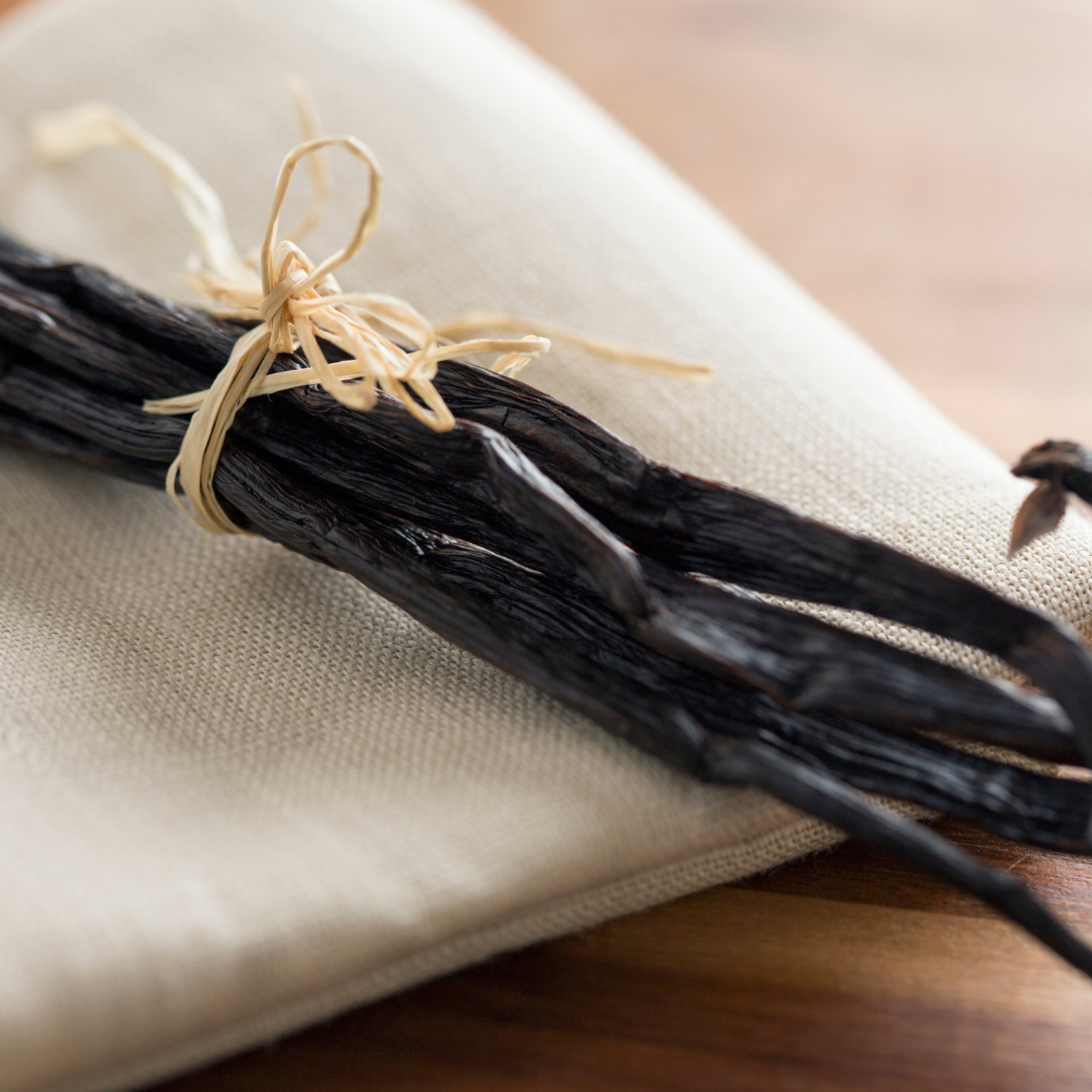
The Spice That Shaped an Island: The Story of Madagascar Vanilla
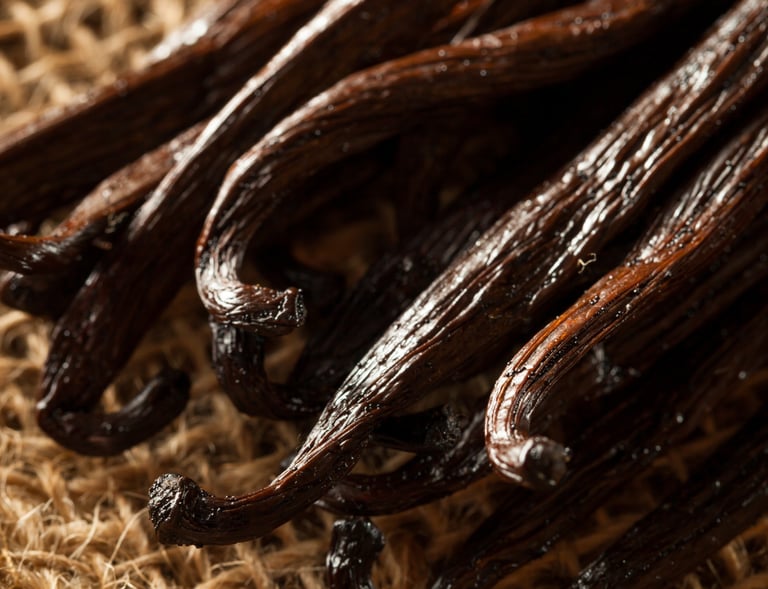
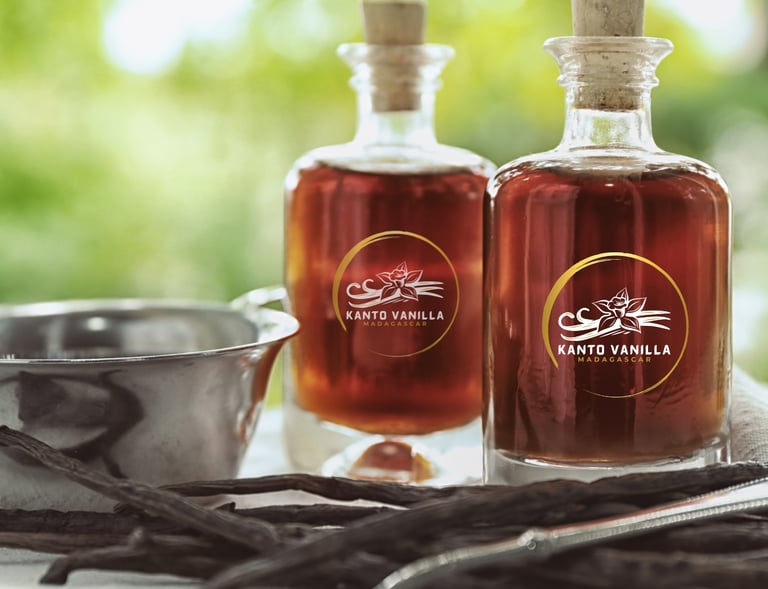
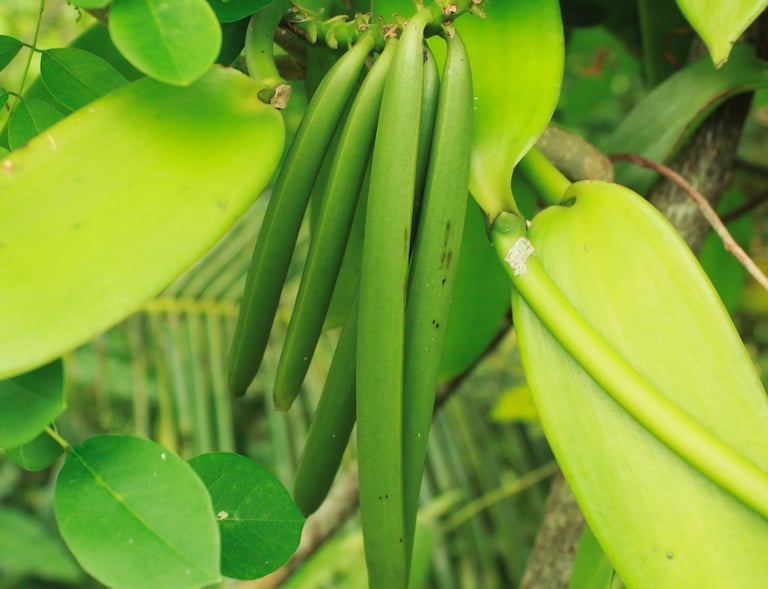
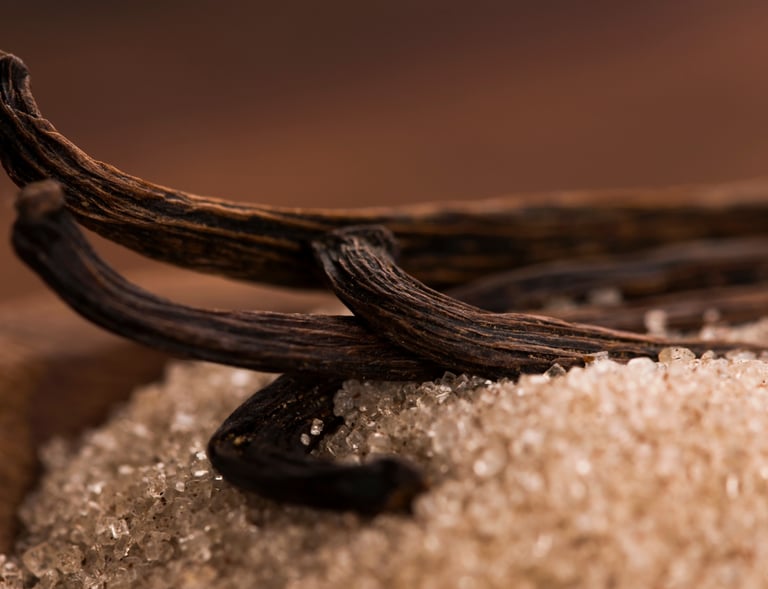
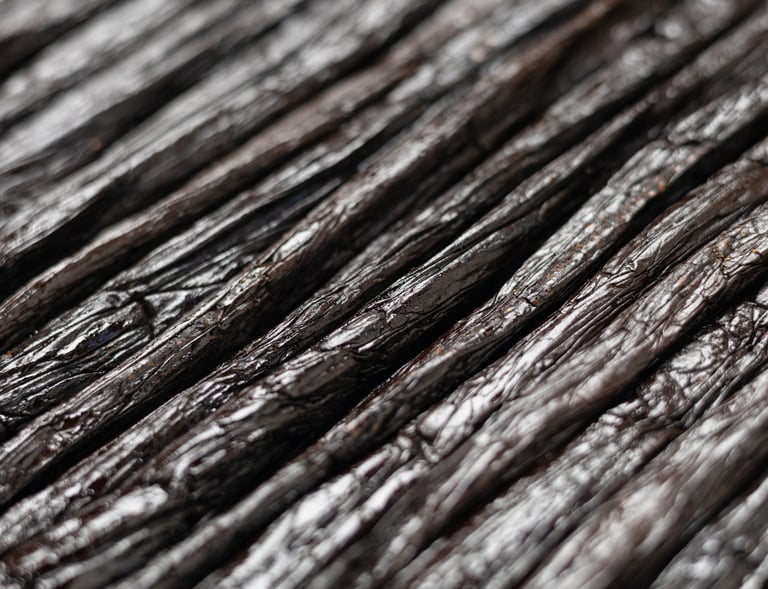
While vanilla's story begins in Mexico with the Totonac people and was later cherished by the Aztecs, its heart and soul now reside on an island thousands of miles away: Madagascar.
The Journey to Madagascar:
Vanilla is native to Mesoamerica, where the Totonac people first domesticated it as early as 1185. The Aztecs later adopted vanilla to flavor their xocolatl drinks. It wasn't until the 19th century that vanilla made its way to Madagascar.
In 1819, French entrepreneurs shipped vanilla fruits to the islands of Réunion and Mauritius, hoping to cultivate it there. However, the plants wouldn't produce pods outside of Mexico because the natural pollinators—specific species of bees—didn't exist in the Indian Ocean region.
The Discovery That Changed Everything
The breakthrough came in 1841 when Edmond Albius, a 12-year-old enslaved boy on the French island of Réunion, discovered an efficient method of hand-pollinating vanilla flowers. Using a simple stick or blade of grass, he would lift the membrane separating the anther and stigma, then transfer pollen with his thumb. This technique is still used today across all vanilla-growing regions, including Madagascar.
Vanilla Arrives in Madagascar
Following Albius's discovery, vanilla cultivation spread to Madagascar. The plants thrived in the island's tropical rainforests, particularly along the northeast coast. By 1870, vanilla was being cultivated in Madagascar, and the industry grew rapidly.
The climate, geography, and local geology—what the French call terroir—proved ideal for vanilla cultivation. Madagascar's vanilla developed a rich, creamy flavor profile with sweet, buttery notes that would eventually make it the most sought-after vanilla in the world.
Madagascar Becomes the World's Vanilla Capital
By 1898, Madagascar, along with Réunion and the Comoros Islands, produced 200 metric tons of vanilla beans—approximately 80% of world production at that time. Today, Madagascar and Indonesia produce two-thirds of the world's vanilla supply, with Madagascar's Bourbon vanilla (named after the former name of Réunion, Île Bourbon) being particularly prized.
The Traditional Cultivation Process
In Madagascar, vanilla cultivation remains a labor-intensive, artisanal process:
1. Growing: Vanilla orchids (Vanilla planifolia) grow as vines, climbing up living supports—native forest trees in the Mananara Nord Biosphere Reserve. Once the plants reach human height, growers fold them over (bouclage) to encourage flowering along the descending stem.
2. Pollination: During the flowering season (September to January), each morning, farmers delicately pollinate the flowers by hand using a small stick—a skill passed down through generations.
3. Harvesting: The pollinated flowers develop into long, pale-green pods. After several months, they're ready for harvest.
4. The Curing Process: This is where the magic happens. The green, odorless pods undergo a lengthy transformation:
· Blanching: Pods are immersed in hot water for a few minutes
· Sweating: They rest in wooden boxes lined with woolen blankets (drape à vanille) for two days
· Sun-drying: For a full month, pods are laid out in the sun for 2-3 hours daily, then wrapped and rested
· Conditioning: Finally, pods are arranged on shelves in storerooms where they develop their full aromatic complexity
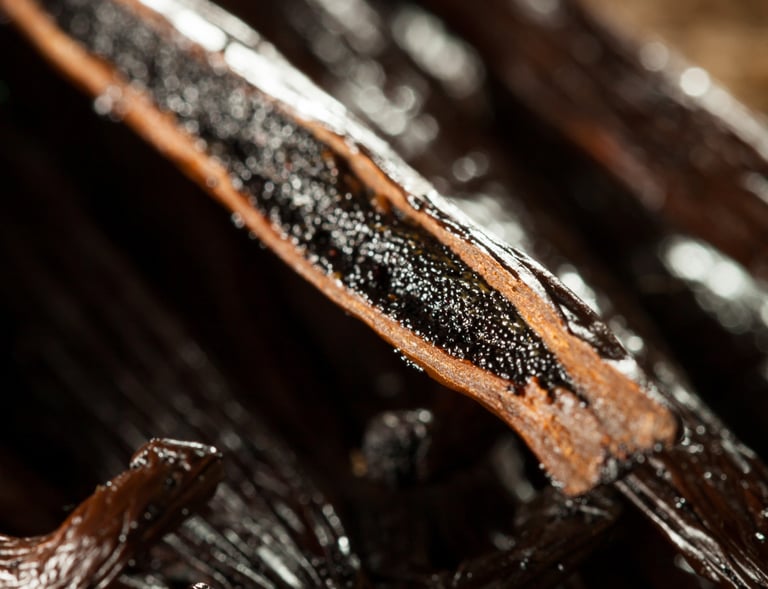
This meticulous process allows the endemic enzymes to release vanillin, vanilla's main aromatic component, transforming the pods into the fragrant black beans we know.
The Kanto Vanilla Connection
True vanilla is a product of its heritage—a story told through soil, climate, and the hands that cultivate it. Our connection to this rich legacy begins at the source. We work directly with farming cooperatives in the Sava region of Madagascar, the world’s premier vanilla terroir. By sourcing directly, we bypass commodity markets to ensure the farmers who uphold generations of tradition are honored for their craftsmanship. The result is a Kanto Vanilla that is not just an ingredient, but a pure expression of the land and people who made it.
Our Story with Vanilla
At Kanto Vanilla, we bring you the rich heritage of Madagascar’s vanilla, carefully harvested to preserve its authentic flavor.
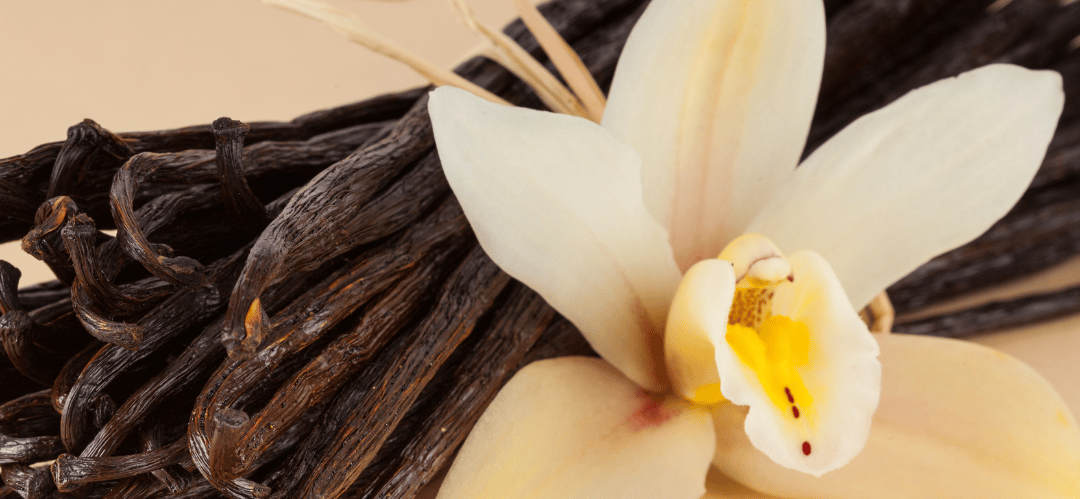
Madagascar Roots
Our Promise
We honor the tradition of vanilla farming in Madagascar by offering premium beans and handcrafted products straight to your door.
GET IN TOUCH
OUR COMPANY
info@kantovanilla.com
+261 379 930 417
© 2026. Kanto Vanilla Ltd
Addresses





Antananarivo, Madagascar


MY ACCOUNT
Sales condition
Our partners
Sitemap
CONTACT
Best sales
Personal info
Orders
Kanto Vanilla Ltd
NEWSLETTER
sales@kantovanilla.com
+230 5494 32 41